Things to Do in Freetown in June
June weather, activities, events & insider tips
Low Season · Budget Friendly
June Weather in Freetown
Long-run averages for June
86°F (30°C)
High Temp
74°F (23°C)
Low Temp
20.6 inches (523 mm)
Rainfall
87%
Humidity
11
Sunny-Day UV
⚠ June intensifies the rainy season. Flash flooding hits low-lying parts of Freetown, around Kroo Bay, Susan's Bay, and sections of the East End, after heavy downpours. Avoid these areas during and immediately after storms.
⚠ Malaria transmission peaks in wet season. Prophylaxis is strongly recommended for all travelers regardless of trip length. Consult a travel health professional at least four weeks before departure.
⚠ Peninsula road conditions deteriorate significantly in June. The laterite roads to beaches south of Freetown become muddy and rutted. Some sections become impassable after sustained heavy rain. Four-wheel drive or high-clearance vehicles are advisable for any trip outside the city center.
⚠ Humidity at 87% combined with 30°C (86°F) temperatures creates conditions where heat exhaustion is a real risk, for travelers not acclimatized to tropical climates. Hydrate aggressively. Limit midday exertion during your first two to three days.
Is June Right for You?
Weigh the advantages and considerations before booking
Advantages
- + Freetown's Western Area Peninsula turns almost impossibly green in June. The rainforest canopy above Tacugama and the slopes of Leicester Peak look like something from a nature documentary. The dry-season brown is gone. A density of green replaces it, making every hillside drive feel cinematic. If you care about landscape photography, this is the month.
- + You will likely have Freetown's beaches and cultural sites nearly to yourself. The handful of international visitors who come during the rains tend to be researchers, NGO workers, and the kind of traveler who prefers a place on its own terms. River No. 2 Beach, which gets crowded on dry-season weekends, is yours to walk end to end. You might see a few fishermen pulling nets. That is all.
- + Accommodation rates drop noticeably from the dry-season highs. Guesthouses and lodges in the Aberdeen and Lumley areas that fill up between November and April are suddenly negotiable. You can often upgrade to a better room for what you would have paid for the basic one three months earlier. Ask for discounts. Expect to get them.
- + June sits in the middle of mango season. The markets along Siaka Stevens Street and around the Big Market overflow with ripe Kent and Julie mangoes so sweet the juice runs down your wrist. Cassava leaf stew, arguably Sierra Leone's national dish, is also at its best now. It is made with tender young leaves from the new growth that the rains bring on. Eat both.
Considerations
- − The rain is not drizzle. June dumps an average of 20.6 inches (523 mm) on Freetown. When a storm arrives, it often arrives violently. Sheets of water turn the city's hilly streets into temporary rivers. Low-lying roads around Kroo Bay and parts of the East End can flood within an hour of a heavy downpour. Getting from Lumley to the city center can turn from a 20-minute drive into a 90-minute crawl. Plan accordingly.
- − Humidity at 87% makes your clothes feel damp ten minutes after you put them on. Even at the relatively moderate temperature of 30°C (86°F), the moisture in the air means you are sweating constantly. Anything leather or cotton left in a bag for a few days starts growing mold. Air conditioning is not universal in Freetown. Power outages from generator-dependent supply are more common in the rainy season. Pack light fabrics. Dry them often.
- − Some boat excursions, to Bunce Island and the Banana Islands, run on reduced schedules or cancel entirely when swells and river conditions turn rough. The Atlantic coast around the peninsula picks up significant surf in June. Kayaking and calm-water swimming become less reliable than in the dry months. Check conditions daily. Have backup plans.
Best Activities in June
Top things to do during your visit
Tacugama Chimpanzee Sanctuary Forest Walks
The rainforest above Freetown is at its most alive in June. Tacugama sits in the Western Area Peninsula National Park at around 200 m (656 ft) elevation. During the rains the canopy closes in thick and dripping. The air smells of wet earth and rotting fruit. The chimpanzees are active and vocal. The sanctuary's guided walks take you through forest that feels wild despite being less than 30 minutes from central Freetown. Morning visits tend to work best in June because the heaviest rains usually build in the afternoon. The chimps are most animated during the cooler first hours after dawn. The mud on the trails can be ankle-deep in spots. This is a proper hiking-boots experience, not a sandals one. The forest sounds alone are worth the visit. Layers of birdcall and insect noise punctuate the occasional crash of a chimp moving through branches overhead.
Booking Tip: Book at least a week ahead during rainy season. Visitor numbers are small. But guided walks have limited capacity. Arrange transport with your accommodation or a known local driver. The road up to the sanctuary gets slippery after rain. See current tour options in the booking section below.
Freetown Peninsula Beach Exploration
River No. 2 Beach, about 40 km (25 miles) south of central Freetown along the peninsula road, is regularly cited as one of West Africa's finest stretches of sand. In June you might share it with a handful of locals. The beach sits in a cove backed by coconut palms and thick bush. A river mouth sits at one end where fresh water runs brown from the rains and meets the grey-green Atlantic. The sand is coarse and golden. The waves are bigger than in dry season and carry a real undertow. Swim with caution. Stick to the river-mouth end where the water is calmer. Tokeh Beach, a bit farther south, has a similar feel but a slightly more sheltered bay. The drive itself is half the experience. It is a winding coastal road cut into red laterite cliffs with views down to surf crashing on rocks. In June, waterfalls appear along the roadside that simply do not exist in the dry months. Thin ribbons of water drop off the cliff edges directly onto the road.
Booking Tip: Hire a driver for the full day rather than trying to arrange return transport from the beach. The road condition deteriorates after heavy rain. A vehicle with decent clearance is worth the extra cost. Check current guided excursions in the booking section below.
Freetown Historical and Cultural Walking Tours
Freetown rewards slow walking. The city's history sits heavy, layer upon layer, and you miss it from bus windows. The Cotton Tree still dominates the center, that massive silk-cotton where freed slaves gathered in 1792 after arriving from Nova Scotia. Government buildings crowd around it now. Okada motorbikes buzz past. Old Krio board houses climb toward Tower Hill, their faded clapboard and wide verandas built by settlers who carried the style from the American South and Caribbean. These newcomers had never seen West Africa. June rain washes the red dust away. Colors sharpen. Blue, yellow, and green houses stand out against dark storm clouds. The Sierra Leone National Museum near the Cotton Tree is small. It holds Nomoli figures, soapstone carvings farmers dug up across the country. They predate any recorded history here. Walk early. Before 10 AM, the air stays relatively cool. The day's rain has not started.
Booking Tip: Licensed local guides know Krio history and architecture. Find them through Freetown's tourism coordination office. Book two to three days ahead. Walking tours run three to four hours. See available guided options in the booking section below.
Bunce Island Historical River Excursion
Bunce Island sits in the Sierra Leone River about 30 km (19 miles) upstream from Freetown. It is one of the most important and least visited slave trade sites in West Africa. The ruins of the British slave castle are overgrown with vegetation. The forest slowly reclaims them. This is haunting. More restored sites are not. The cannon still point toward the river. The holding cells remain visible. Silence dominates, broken only by birds and river current. That silence stays with you. In June, the river runs high and fast. The boat trip smooths out in some ways. The landing at the island turns rough. The vegetation is thick and wet. Mosquitoes attack aggressively. Long sleeves and repellent are mandatory. This is not comfortable. It is a confrontation with history. Give it the time and seriousness it deserves.
Booking Tip: River conditions in June can cancel trips on short notice. Book operators with covered boats and life jackets. Confirm the morning of departure. The round trip takes most of a day. Check the booking section below for current excursion availability.
West African Cooking and Market Immersion
Freetown's food culture follows a calendar. June shifts the ingredients. The Big Market near the waterfront sprawls. Smaller neighborhood markets fill the East End. Fresh okra, potato leaves, and palm fruit pile high. The fruit presses into thick red oil, the base of most Sierra Leonean cooking. The smell inside these markets in June hits hard. Overripe fruit, smoked fish, and fermented palm wine compete in humid air. Groundnut soup thickens with fresh-ground peanuts. Plasas stew darkens with young cassava leaves. Street-side cook shops along Wilberforce Street serve portions big enough for two. Fufu balls or rice mounds come standard. Learn to cook these dishes through a local cooking experience. You keep something more durable than a photograph. Rain does not matter indoors. Start the market visit early. Produce is freshest then. The heat has not peaked.
Booking Tip: Cooking experiences in Freetown arrange through guesthouses or local cultural organizations. Large tour platforms do not handle them. Book three to five days ahead. See the booking section below for any currently listed food-focused experiences.
Western Area Peninsula Forest Hiking
The peninsula hills behind Freetown rise over 800 m (2,625 ft) at Picket Hill. In June, the forest covering them hits maximum density. Trails to Leicester Peak and Sugar Loaf Mountain pass through primary and secondary rainforest. Lianas hang thick. Ferns grow to the size of small trees. Water runs constantly downhill through leaf litter. The sound never stops. Air under the canopy runs noticeably cooler than the city below. Moisture still weighs heavy. Visibility from the peaks depends on clouds. Clear mornings happen even in June. On one, you see across all of Freetown to the river and ocean beyond. On a clouded morning, you stand in warm fog. It smells of wet bark and decomposing leaves. Accept this for what it is. The appeal is real. Trails turn muddy and slippery in June. This is not casual strolling. Proper footwear is essential. Bring a hiking pole if you have one. Expect to get dirty.
Booking Tip: Go with a guide who knows trail conditions. After heavy rain, some paths become impassable. Local guides know which routes stay open. Start before 7 AM. Maximize your chance of clear views. Minimize afternoon rain exposure. See the booking section below for guided hiking options.
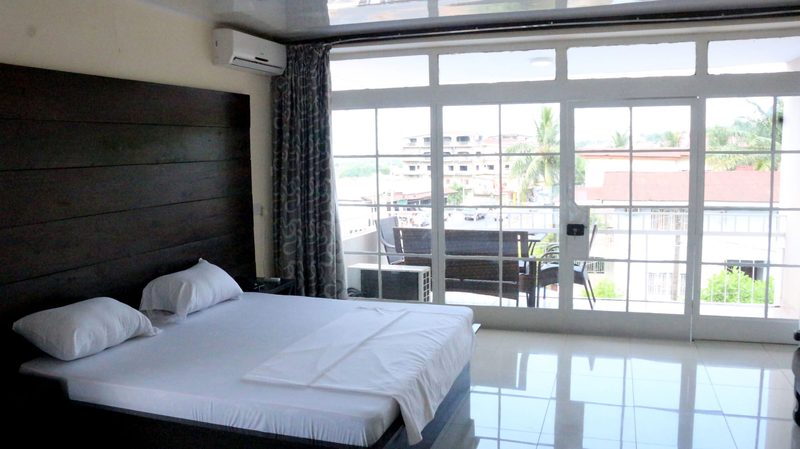
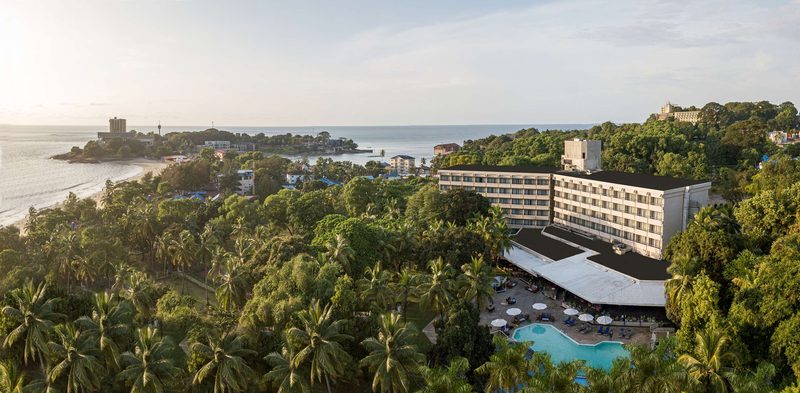
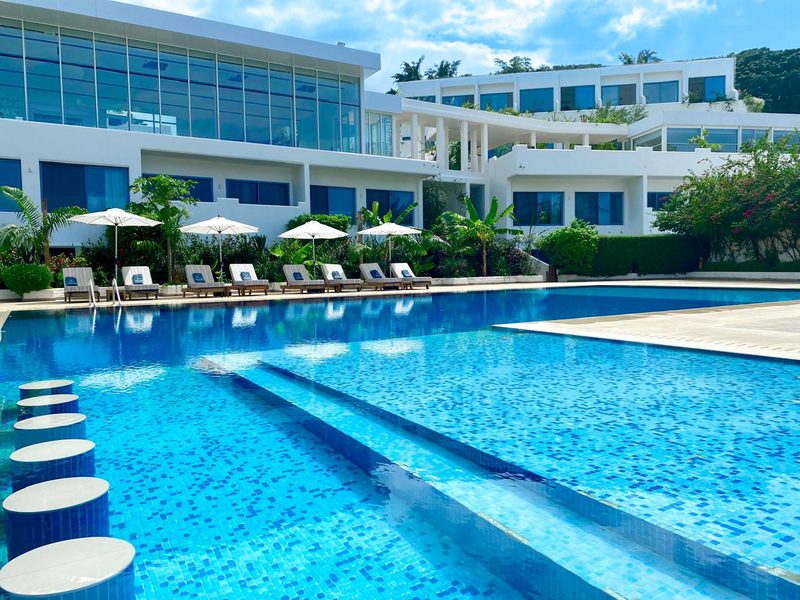
Where to Stay in Freetown in June
Hand-picked hotels across price tiers for June travellers.
Packing Checklist
Bookmark this page — your progress is saved between visits
Need the full list with shopping links?
Climate-specific gear, brand recommendations, and what to leave at home.
View Freetown Packing List →Essential Tips
Insider knowledge and common pitfalls to avoid
Insider Knowledge
Freetown's heaviest rain builds in late afternoon and evening. It arrives fast. Plan outdoor activities for morning. Start before 8 AM. Keep afternoons flexible for indoor time or covered markets. Locals know this rhythm. Morning is when things get done. The city slows after 2 PM on heavy rain days.
Freetown's okada motorcycle taxis cut through traffic when flooded roads stall cars. They are also the most dangerous in rain. Insist on a helmet. Avoid riding during active downpours when roads are slickest. Agree on fare before climbing on. Many locals switch to shared poda-poda minibuses on worst rain days. Follow their lead.
The Krio phrase you will hear most is 'aw di bodi.' It means 'how is your body' and is the standard greeting. Respond with 'a tel God tenki' or simply 'fine' with a smile. This opens more doors than money. Sierra Leoneans are exceptionally warm to visitors. Basic Krio effort goes far, outside Aberdeen's tourist areas.
Freetown's tap water is not safe to drink. Buy sealed sachet water, called 'pure water,' from street vendors or shops. The sachets are cheap and everywhere. June's heat and humidity mean you will drink more than expected. Carry several at all times.
Avoid These Mistakes
Do not underestimate the rain. Do not treat it like a European shower. Freetown's June storms can drop an inch of rain in under an hour. Travelers packing only a light sweater or assuming they can wait under a shop awning get stranded when roads flood and transport stops. Plan for rain as a certainty.
Do not book outdoor activities back to back without flexibility. In June, you need buffer days. A beach trip to River No. 2 might shift if the road washes out. A boat to Bunce Island might cancel due to river conditions. Build at least one spare day into any week-long itinerary.
Do not neglect malaria prevention because the trip is short. Sierra Leone has year-round malaria risk. June's wet conditions make it peak season. Some travelers assume a few city days are low risk. They are wrong. Prophylaxis, repellent, and treated nets are baseline precautions.
Ready to plan your trip to Freetown?
Now that you've got the research covered, here's where to go next.
Explore More Activities in Freetown